
Introduction to Precision Machining
In today’s manufacturing landscape, precision is not a luxury – it’s a necessity. From aerospace turbines to medical implants, every component must meet exacting standards to ensure safety, reliability, and performance. That’s where precision machining plays a crucial role.
What is Precision Machining?
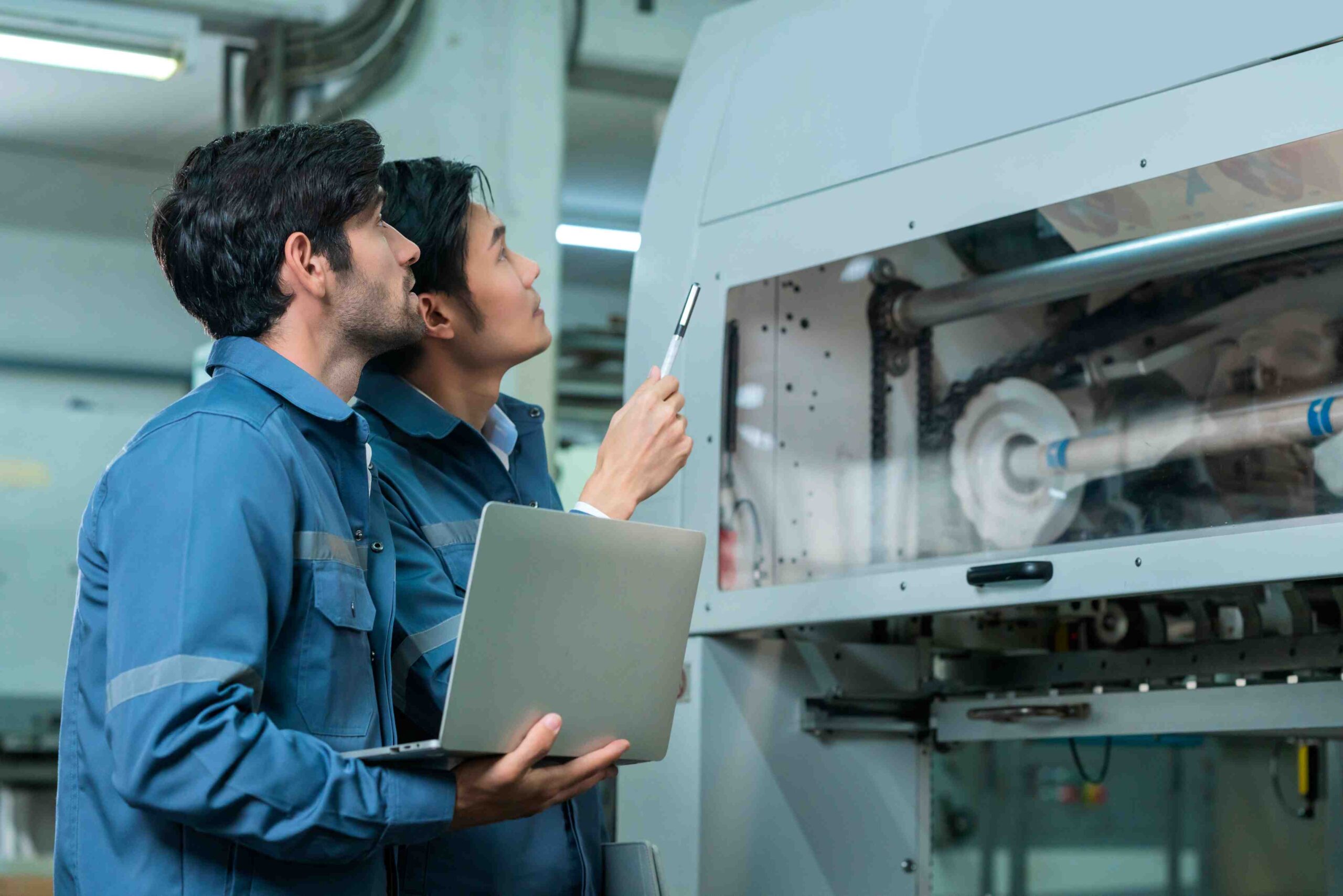
Precision machining is the process of removing material from a workpiece to create highly accurate parts with tight tolerances and superior surface finishes. These parts often form the core of complex assemblies where even microns matter – such as in engines, surgical instruments, and electronic devices.
At its core, precision machining blends engineering expertise, advanced equipment, and digital control systems to transform raw materials into finely tuned components that meet strict design requirements.
The Evolution and Importance of Precision Machining
Over the decades, machining has evolved from manual lathes and mills to computer numerical control (CNC) systems, enabling automation, repeatability, and complexity at scale. Today, precision machining drives industries that define modern life, automotive, medical, aerospace, and electronics.
The importance of precision lies in its impact on safety and innovation. A minor deviation in an aircraft component or medical implant can have serious consequences. Precision machining ensures reliability and longevity, enabling engineers to push boundaries in product design and technology.
Core Principles and Processes of Precision Machining
At its heart, precision machining is about controlled material removal, shaping metals or plastics to exact specifications while maintaining dimensional accuracy and surface integrity.
Subtractive Manufacturing and Controlled Material Removal
Unlike additive manufacturing (3D printing), which builds parts layer by layer, subtractive manufacturing involves cutting away material from a solid block using tools such as drills, lathes, or mills. The process demands extreme control over cutting speed, feed rate, and tool path to maintain accuracy and avoid deformation.
High-Precision Tolerances and Surface Quality
Precision machining often works within tolerances of ±0.01mm or even tighter. Achieving these tolerances requires stable machinery, precise tool calibration, temperature control, and advanced measurement systems. Surface quality is equally critical – especially in applications like medical devices or hydraulics, where friction, sealing, and wear resistance depend on smooth finishes.
Overview of Essential Processes
Modern precision machining combines various CNC and EDM processes to achieve complexity and accuracy.
CNC Machining (3-axis and 5-axis)
CNC machining automates the cutting process using pre-programmed software. 3-axis machines move in three linear directions (X, Y, Z), while 5-axis machining adds two rotational axes, enabling the creation of intricate geometries and undercuts without repositioning the workpiece.
CNC Milling
Milling uses rotating cutting tools to remove material from a stationary workpiece, ideal for creating flat surfaces, slots, and complex contours.
CNC Turning (CNC Turn)
CNC turning involves rotating the workpiece while a stationary cutting tool removes material to create cylindrical or conical shapes. This process is ideal for producing shafts, pins, bushings, and other round components with high precision and excellent surface finish. CNC turning offers high efficiency and repeatability, especially for symmetrical parts.
CNC Turn-Mill
A hybrid process combining milling and turning in one setup – reducing handling time and improving part consistency.
CNC Drilling & Tapping
Used for creating precise holes and threads, often used in electronic housings, fixtures, and mechanical assemblies.
CNC Hard Turning
Designed for hardened materials (above 45 HRC), hard turning replaces grinding in many finishing operations while maintaining precision.
EDM Wire-Cut Machining
Electrical Discharge Machining (EDM) uses a thin wire to cut through metal via electrical sparks. It’s ideal for hardened materials or parts that are too delicate for traditional cutting forces.
Secondary Processes
Beyond core machining, a range of secondary operations enhances surface finish, accuracy, and readiness for assembly:
- CNC Cylindrical Grinding / NC Cylindrical Grinding: For achieving roundness and fine finishes on shafts and bearing surfaces.
- Surface Grinding: Delivers high flatness and tight parallelism.
- Horizontal Manual & Vertical NC Honing: Improves dimensional accuracy and crosshatch texture for lubrication retention.
- Laser Marking: Adds traceability codes or brand markings without damaging the material.
- Ultrasonic Cleaning: Removes microscopic debris and contaminants for clean, ready-to-assemble parts.
By integrating these steps in-house, our team ensures consistent quality control and faster turnaround times.
Choosing the Right Materials
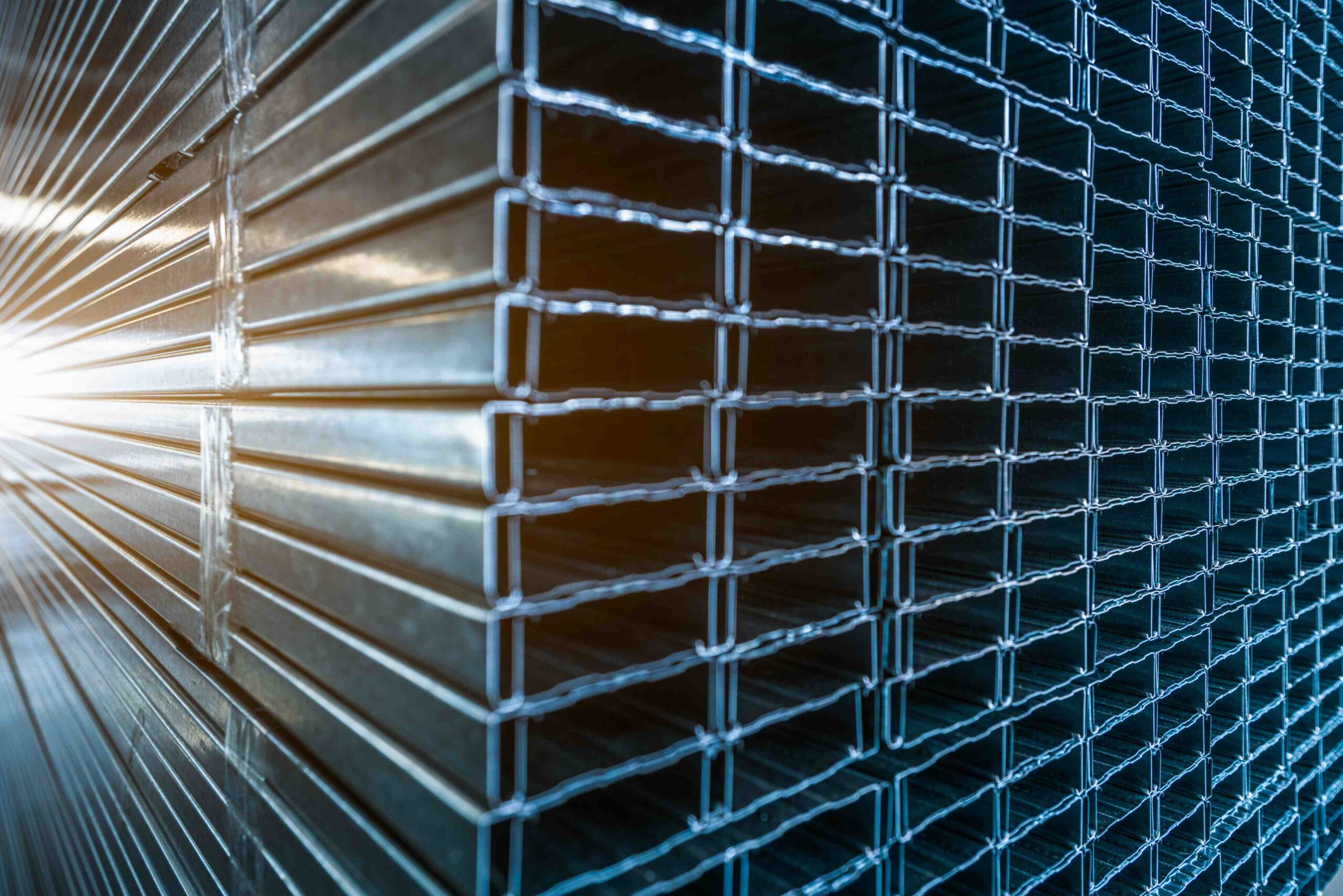
Material selection is a critical part of achieving the desired balance between strength, cost, machinability, and performance.
1. Metals for Precision Machining
| Metal | Key Traits / Typical Uses |
| Stainless Steel | Corrosion-resistant; ideal for medical and food-grade parts. |
| Aluminium | Lightweight, highly machinable; aerospace and electronics. |
| Titanium | Strong, biocompatible implants and aerospace components. |
| Brass & Copper | Excellent electrical and thermal conductivity; electrical applications. |
| Low-Carbon & Alloy Steels | Strong, wear-resistant, industrial and mechanical parts. |
2. Plastics for Precision Machining
| Plastic | Key Traits / Typical Uses |
| ABS | Durable, impact-resistant; general engineering components. |
| Nylon | Tough, low-friction gears, bushings, and moving parts. |
| Polycarbonate | Transparent, strong, protective covers, optical components. |
| PEEK | High-performance; aerospace, medical, and high-temp applications. |
| PTFE (Teflon) | Chemically resistant, self-lubricating; seals, insulators. |
| Acrylic | Clear, easy to machine; displays, optical parts. |
3. Key Material Selection Considerations
| Factor | Why It Matters |
| Machinability & Tool Wear | Affects speed, cost, and tool lifespan. |
| Dimensional Stability & Heat Resistance | Ensures accuracy for tight-tolerance parts. |
| Surface Finish Requirements | Impacts tooling, feeds, speeds, and achievable quality. |
| Production Volume & Cost | Determines feasibility and optimal material choice. |
| Post-Machining Processes | Heat treatment, plating, coating, or polishing may be required depending on the material. |
Choosing the right material early in design ensures optimal performance and cost efficiency throughout production.
Applications of Precision Machining Across Industries
Precision machining powers innovation across countless industries. Here are some of the most prominent sectors where it makes an impact:
Automotive
Precision-machined parts such as gears, axles, and transmission components ensure smooth operation and durability under high loads. From electric vehicle motor housings to safety-critical braking systems, machining delivers the consistency automotive OEMs demand.
Medical
In healthcare, precision can be life-saving. Components like implants, surgical instruments, and diagnostic tools require micron-level accuracy. Examples include endoscopic graspers, scalpel handles, forceps, and biopsy jaws, all of which must meet biocompatibility and sterilisation standards.
Electronics
The electronics industry relies on high-precision machining for smartphone components, connectors, sensor housings, and PCB fixtures. These parts often use lightweight metals or plastics with tight dimensional control for assembly precision.
Industrial and Automation
Precision machining supports industrial manufacturing with pumps, valves, automation tooling, jigs, and fixtures. In hydraulics, parts like valve spools and safety mechanisms demand flawless tolerances to prevent leakage or system failure.
Cutting-Edge Techniques and Technology in Precision Machining
Modern manufacturing continues to evolve with digital transformation and automation. Here are some innovations shaping the industry.
Advancements in Multi-Axis CNC Machining and Hybrid Manufacturing
Multi-axis CNC machining allows for the production of complex parts in a single setup, minimizing repositioning errors and boosting throughput. Hybrid manufacturing, which integrates additive manufacturing (3D printing) and CNC machining, is emerging as a powerful combination, additively building near-net shapes and then finishing them with precision cutting.
Automation and Robotics Integration
Automated robotic arms and part loaders enable 24/7 “lights-out” machining, improving productivity and reducing human error. This integration allows for continuous, unmanned operations, especially useful for high-volume or repetitive production runs.
Digital Twins and Predictive Maintenance
By creating virtual models of machines and processes, manufacturers can simulate production and predict potential issues before they occur. Digital twins help optimize tool paths, reduce downtime, and enhance reliability.
Common Challenges and Solutions
Precision machining is highly demanding, but the right systems and expertise can overcome most obstacles.
Difficult-to-Machine Materials
Challenge: Hardened alloys and composites can wear out tools quickly.
Solution: Use optimised tool coatings, cutting parameters, and coolant systems to manage heat and extend tool life.
Tool Wear and Dimensional Consistency
Challenge: Maintaining consistent tolerances over multiple runs.
Solution: Employ automated wear detection and regular calibration to ensure parts meet specifications.
Low-Volume, High-Accuracy Production
Challenge: OEMs, especially in medical sectors, often need small batches that aren’t cost-effective for other manufacturing methods.
Solution: Precision machining excels in low-volume, high-mix production, providing flexibility with minimal setup costs.
Multi-Step Integration
Challenge: Coordinating machining with post-processes (e.g., heat treatment, finishing) can delay delivery.
Solution: Vertical integration – where machining, heat treatment, and finishing occur under one roof – ensures consistency and shorter lead times.
Changeovers and Setup Precision
Challenge: Frequent tooling changes risk setup errors and inefficiency.
Solution: Modular tooling and pre-measured setups speed up changeovers while maintaining accuracy.
Quality Assurance and Metrology
Precision machining’s credibility rests on consistent quality control.
In-Process Measurement
Our team uses CMM (Coordinate Measuring Machines), optical measurement systems, and digital verification to check dimensions during and after machining. This ensures deviations are caught early.
Zero-Defect Strategies
Statistical process control (SPC) and non-destructive testing (NDT) help achieve near-zero defect rates, especially for critical components in aerospace or medical fields.
Documentation and Certification
Traceability and certification (such as ISO standards) are vital in regulated industries, ensuring that every part meets compliance and customer requirements.
Sustainability and Future Industry Trends
Sustainability is becoming integral to manufacturing strategies.
Energy Efficiency and Waste Reduction
New machining technologies focus on reducing energy consumption, recycling cutting fluids, and optimising tool life to minimise waste.
Advanced Materials and Lightweight Design
The shift toward lightweight alloys and composites helps reduce energy use in end applications such as EVs.
On-Demand and Custom Manufacturing
Precision machining supports rapid prototyping and custom part production, enabling just-in-time delivery and reducing inventory waste.
Digital Factory Transformation
While AI and machine learning are still emerging in some areas, the trend toward real-time monitoring, data-driven analytics, and connected machinery continues to redefine manufacturing efficiency.
How to Select a Precision Machining Partner

Choosing the right machining partner can make all the difference between a successful project and production setbacks.
Key Selection Criteria
- Certifications & Compliance: Look for ISO or IATF standards.
- Experience: Proven track record in your industry or part type.
- Capacity & Equipment: Ability to handle your volume and tolerance needs.
- Lead Times: Quick turnaround without compromising quality.
- Quality Systems: Robust inspection, documentation, and process control.
Questions to Ask
- What materials and tolerances can you support?
- Do you offer integrated post-processing and finishing?
- How do you ensure traceability and quality assurance?
- Can you handle prototype-to-production transitions?
A reliable partner should not only deliver precision but also collaborate closely from design to delivery.
Conclusion
Precision machining remains at the heart of modern manufacturing – driving innovation, performance, and reliability across industries. As designs grow more complex and tolerances tighten, the need for trusted machining expertise becomes even greater.
Whether you’re designing a new medical instrument, optimising automotive components, or developing industrial assemblies, success depends on selecting the right design, materials, and machining partner.
Ready to achieve true precision?
Contact our team at AMT today to learn how our precision machining capabilities can help you bring your ideas to life with accuracy, efficiency, and confidence.


