
Introduction
Metal manufacturing has evolved significantly over the years, with new methods offering greater efficiency, design freedom, and material versatility. Among these innovations, Metal Injection Molding (MIM) has emerged as a leading solution that bridges the gap between precision engineering and cost-effective mass production.
What is Metal Injection Molding (MIM)?
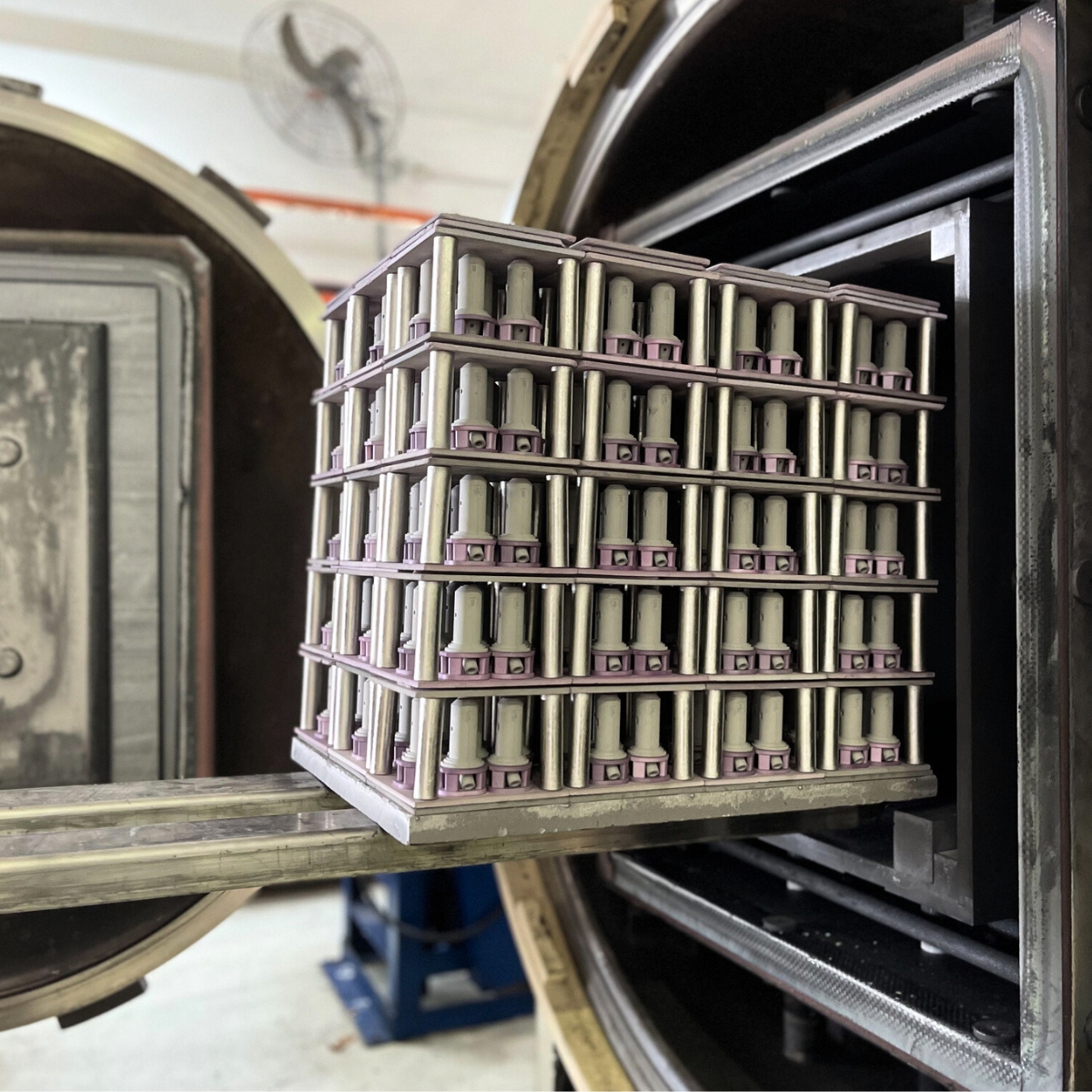
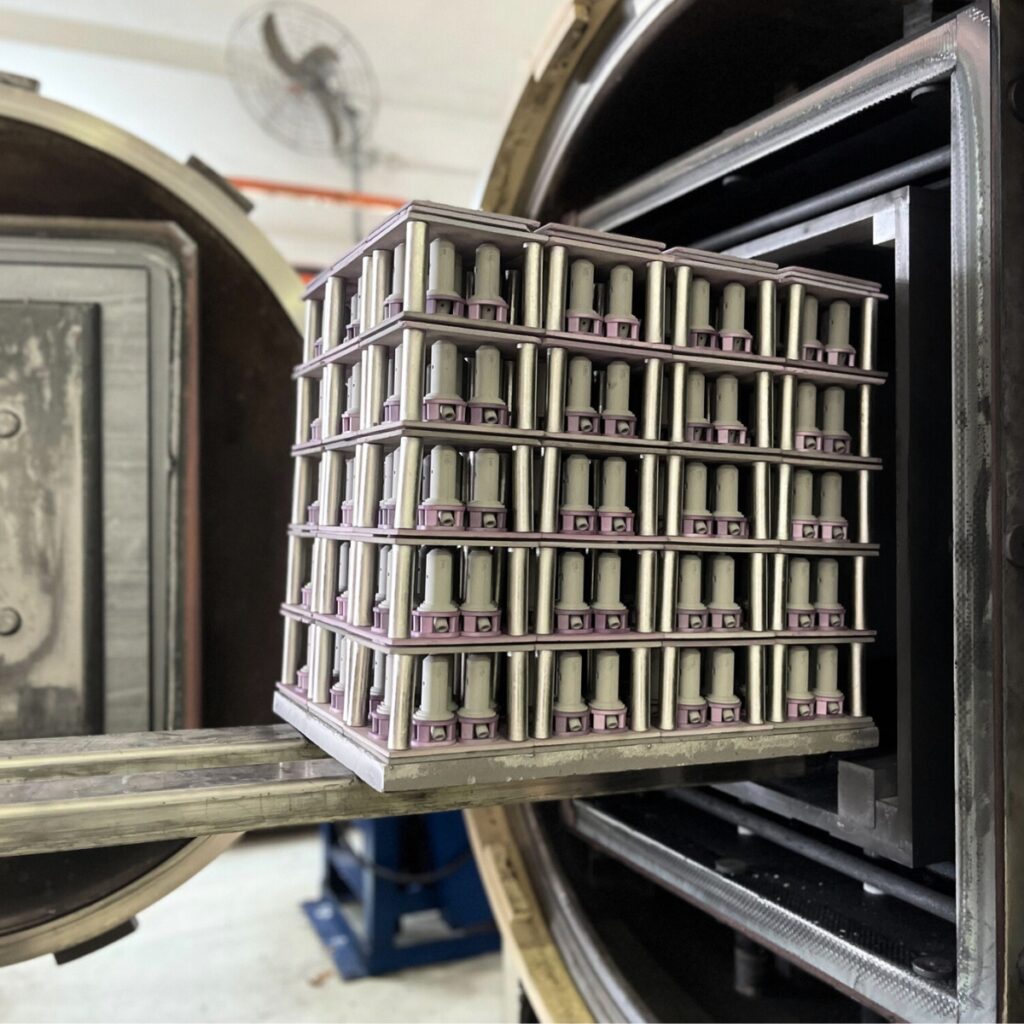
Metal Injection Molding combines the flexibility of plastic injection molding with the strength and integrity of metal materials. The process involves mixing fine metal powders with a binder material to form a feedstock, which is then injected into molds to create complex shapes. After molding, the binder is removed, and the part is sintered at high temperatures to achieve its final strength and density.
The result? High-performance metal components with excellent surface finish, dimensional accuracy, and mechanical properties – ideal for industries that demand both precision and scalability.
Overview of Alternative Metal Manufacturing Methods
Before understanding why MIM stands out, it helps to look at other common metal manufacturing techniques:
- CNC Machining: A subtractive process where material is removed from a solid block to form the final shape. It offers high accuracy but can lead to significant material waste.
- Die Casting: Molten metal is injected into molds under high pressure. It’s fast but more suitable for non-ferrous metals like aluminium or zinc.
- Metal 3D Printing: A newer additive method that builds parts layer by layer, offering great design flexibility but limited cost efficiency for large-scale production.
Each of these methods has its strengths – but when it comes to producing intricate metal parts at scale, MIM often delivers a better balance of precision, cost, and performance.
Advantages of Metal Injection Molding
High Precision and Complex Geometries
One of the most significant advantages of MIM is its ability to produce highly complex and detailed geometries that would be difficult or even impossible to achieve through traditional machining or casting. Because MIM uses mould cavities, intricate features such as undercuts, threads, and fine textures can be incorporated directly into the design.
This makes it ideal for industries like medical technology, automotive, and electronics, where miniaturization and precision are critical.
Cost-Effective for High-Volume Production
While the initial investment in tooling can be higher, MIM becomes extremely cost-effective for high-volume production runs. Once the moulds are made, parts can be produced quickly and consistently, reducing labour costs and cycle times.
For manufacturers seeking to balance quality and affordability, MIM offers a scalable solution that supports mass production without compromising on performance.
Material Efficiency and Waste Reduction
Unlike machining, which removes material from a block, MIM is a near-net-shape process, meaning parts come out of the mold close to their final dimensions. This minimises material waste and reduces the need for secondary machining operations.
Additionally, as material is injected directly into a mold, the scraps from runners, sprues, and rejected green parts can be reprocessed under controlled conditions, making it a more sustainable choice in an industry increasingly focused on reducing waste and improving efficiency.
Comparing MIM with Other Metal Manufacturing Methods
MIM vs. CNC Machining
CNC machining delivers exceptional accuracy but can be inefficient for small, intricate, or high-volume components. Every piece must be individually milled, drilled, or turned, leading to high material waste and long production times.
In contrast, MIM can produce hundreds or thousands of identical parts per batch with minimal waste. While CNC is still ideal for low-volume or custom parts, MIM offers a clear advantage in mass production of small, detailed components.
MIM vs. Die Casting
Die casting is well-suited for low-melting-point alloys like aluminium and zinc, but struggles with high-melting-point engineering alloys such as stainless steel or titanium due to thermal loads imposed on the die and the resulting tolling limitations. MIM, on the other hand, can process a wider range of metals, including high-strength alloys used in demanding applications due to high density and consistent properties.
Die-cast parts may exhibit porosity, which can reduce fatigue strength and limit suitability for high-load or safety-critical applications. MIM parts, when properly processed, typically offer more uniform microstructure and improved mechanical reliability for demanding uses, while also enabling intricate geometries that are difficult or uneconomical to machine.
MIM vs. Metal 3D Printing
Metal 3D printing (additive manufacturing) excels in prototyping and low-volume production due to its design flexibility. However, it remains costly and time-consuming for large-scale manufacturing.
MIM complements 3D printing by offering a more economical solution for mass production of the same complex shapes. In many cases, engineers use 3D printing during prototyping and switch to MIM for full-scale production once the design is finalised.
Applications of Metal Injection Molding
Automotive Components
MIM is increasingly used in the automotive industry for components such as turbocharger vanes, sensor housings, and fuel system parts. These components require high strength, durability, and tight tolerances – all achievable through MIM. The method also helps reduce vehicle weight and supports the growing trend toward miniaturised, high-performance parts.
Medical Devices and Implants
In the medical sector, MIM enables the production of small, precise components used in surgical instruments, orthodontic brackets, and implantable devices. The ability to use biocompatible materials like stainless steel and titanium makes MIM a reliable choice for healthcare applications.
Electronics and Industrial Parts
MIM is ideal for electronic and industrial applications where small, high-strength components are required. Examples include connectors, gears, and locking mechanisms. Its ability to achieve fine detail and excellent repeatability ensures consistency across production runs.
Challenges and Considerations
Initial Tooling Costs
The main drawback of MIM is the high initial tooling investment. Creating molds for complex parts can be expensive, which may not be economical for low-volume production. However, for large-scale manufacturing, these costs are quickly offset by lower per-part pricing.
Material Limitations
While MIM supports a wide range of metals, not all alloys are suitable for the process. Certain materials may require special handling or result in reduced mechanical performance after sintering. It’s important to consult with MIM specialists to select the most appropriate material for each application.
Design Constraints
Although MIM allows for complex geometries, there are still design considerations to keep in mind, such as uniform wall thickness and avoiding sharp transitions. Proper design optimisation ensures dimensional stability and minimises defects during Molding and sintering.
Conclusion
Why MIM is the Preferred Choice for Modern Manufacturing
Metal Injection Molding stands out as a modern, efficient, and versatile solution for today’s manufacturing demands. It combines the precision of machining, the scalability of casting, and the design freedom of additive manufacturing, while maintaining excellent material properties.
For industries that require precision, strength, and cost efficiency at scale, MIM offers a clear competitive edge. It enables the production of intricate components with consistent quality, supporting innovation across automotive, medical, and electronics manufacturing.
At AMT, we strengthen these advantages through close engineering collaboration and advanced manufacturing capabilities. Our team supports early Design-for-Manufacturability (DFM), helping customers optimize part geometry, material selection, and tolerances for reliable, cost-effective production. With modern MIM facilities, strict quality control, and end-to-end services, from tooling to finishing and assembly, AMT ensures stable scalability, on-time delivery, and consistent performance.
By combining technical expertise, customer-focused partnership, and continuous process improvement, AMT helps transform innovative designs into high-quality, production-ready components efficiently and sustainably.
Key Takeaways for Engineers and Manufacturers
Ultimately, Metal Injection Molding brings together the best of multiple production methods. It offers the precision needed for intricate designs, the scalability to meet high-volume demands, and the efficiency to minimise waste and production time. As manufacturers continue to seek solutions that balance performance and affordability, MIM is proving to be the preferred choice for modern, high-performance metal manufacturing.


